Explore the future of solar energy in India, rooftop solar installations, commercial solar solutions India, and choosing a trusted Solar EPC company India.
Summary
Solar energy is rapidly becoming a key part of India's future, driven by rising electricity costs, improving technology, and strong government support. Rooftop solar installations are helping homeowners reduce energy bills, while businesses are adopting commercial solar solutions India to improve profitability and long-term operational efficiency. Choosing an experienced Solar EPC company India or a trusted Solar power company India ensures proper system design, quality installation, and reliable after-sales support. With initiatives like the PM Surya Ghar Yojana making solar more accessible, investing in solar today is not just an environmental choice , it's a smart financial decision for a cleaner and more energy-efficient future.
India is going through one of the biggest energy transformations in its history.
Just a decade ago, solar energy was seen as an alternative source of power. Today, it is becoming an essential part of India's energy future. Homes, businesses, industries, educational institutions, and government organizations are increasingly choosing solar to reduce electricity costs, improve energy independence, and contribute to a cleaner environment.
What makes this shift even more exciting is that it is no longer driven only by environmental awareness. Economics now plays an equally important role.
As electricity demand continues to grow and businesses focus on long-term operational efficiency, solar energy is becoming a practical investment rather than just a sustainability initiative.
So, what does the future of solar energy in India look like?
Let's explore the trends shaping the industry and why now is one of the best times to invest in solar.
India's Solar Journey Is Accelerating
India has made remarkable progress in renewable energy over the last few years.
According to the Ministry of New and Renewable Energy (MNRE), India is among the world's fastest-growing solar markets, with installed solar capacity crossing 150 GW in 2026. This growth has been supported by government initiatives, technological advancements, and increasing awareness among homeowners and businesses.
The country's long-term renewable energy goals continue to encourage investments in solar infrastructure across residential, commercial, and industrial sectors.
This momentum indicates that solar is no longer the future, it is becoming the present.
Rooftop Solar Installations Are Becoming Mainstream
One of the biggest changes in recent years has been the rise of rooftop solar installations.
Earlier, rooftop solar was mostly adopted by environmentally conscious homeowners or a few industries.
Today, the reasons are much broader:
- Lower electricity bills
- Better return on investment
- Rising electricity tariffs
- Long system lifespan
- Improved technology
- Government support
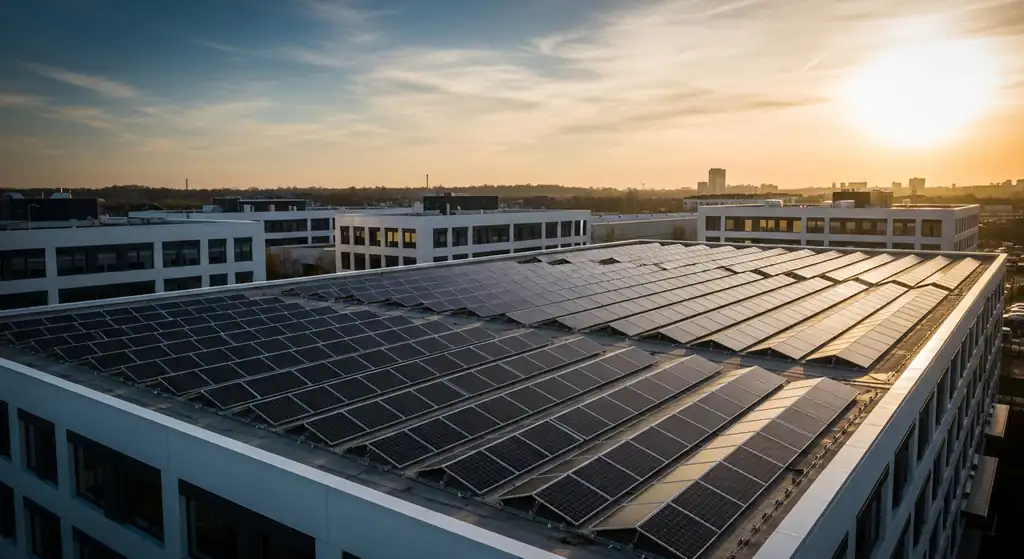
Businesses are also realizing that unused rooftops can become productive assets capable of generating electricity for more than 25 years.
Instead of remaining empty spaces, rooftops are now contributing to operational savings every single day.
Be Part of India's Clean Energy Decade
Whether you are planning a home rooftop system or a large commercial installation, the right EPC partner decides how much your solar system really delivers.
Businesses Are Looking Beyond Electricity Savings
Commercial organizations are changing the way they evaluate energy.
Earlier, electricity was treated as a monthly operational expense.
Today, businesses increasingly see energy as a strategic business decision.
Commercial solar helps organizations:
- Reduce operating expenses
- Improve cash flow
- Increase energy predictability
- Support sustainability goals
- Strengthen long-term competitiveness
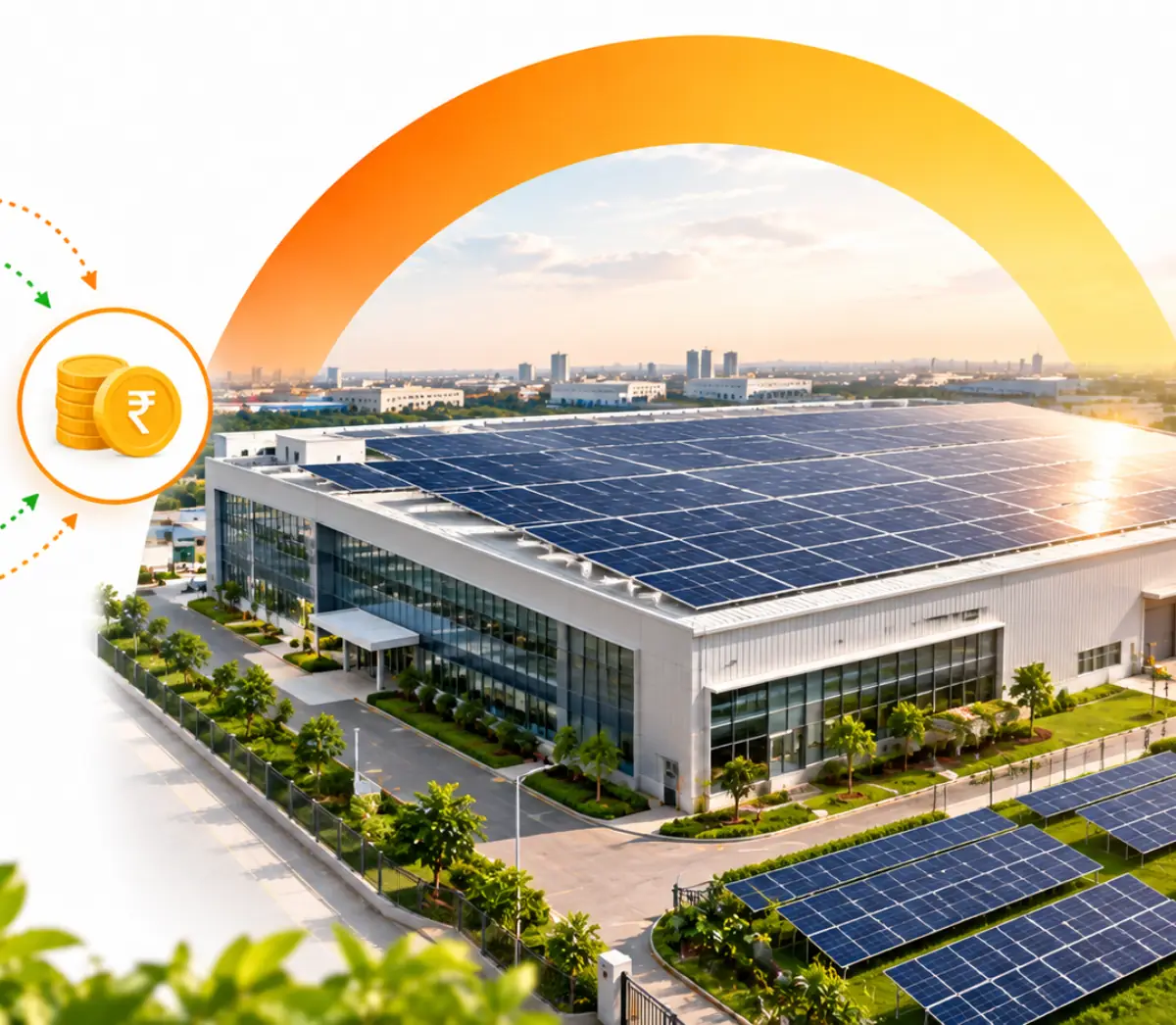
This shift is driving strong demand for commercial solar solutions India, particularly among manufacturing units, warehouses, hospitals, hotels, educational institutions, and corporate offices.
Businesses are not simply installing solar panels.
They are investing in long-term operational efficiency.
Technology Is Making Solar Smarter
The solar industry has evolved significantly over the last decade.
Modern solar systems are now more efficient, reliable, and intelligent than ever before.
Some of the latest advancements include:
- Higher efficiency solar modules
- Smart inverters
- Real-time monitoring systems
- Improved safety standards
- Better system design software
- Remote performance tracking
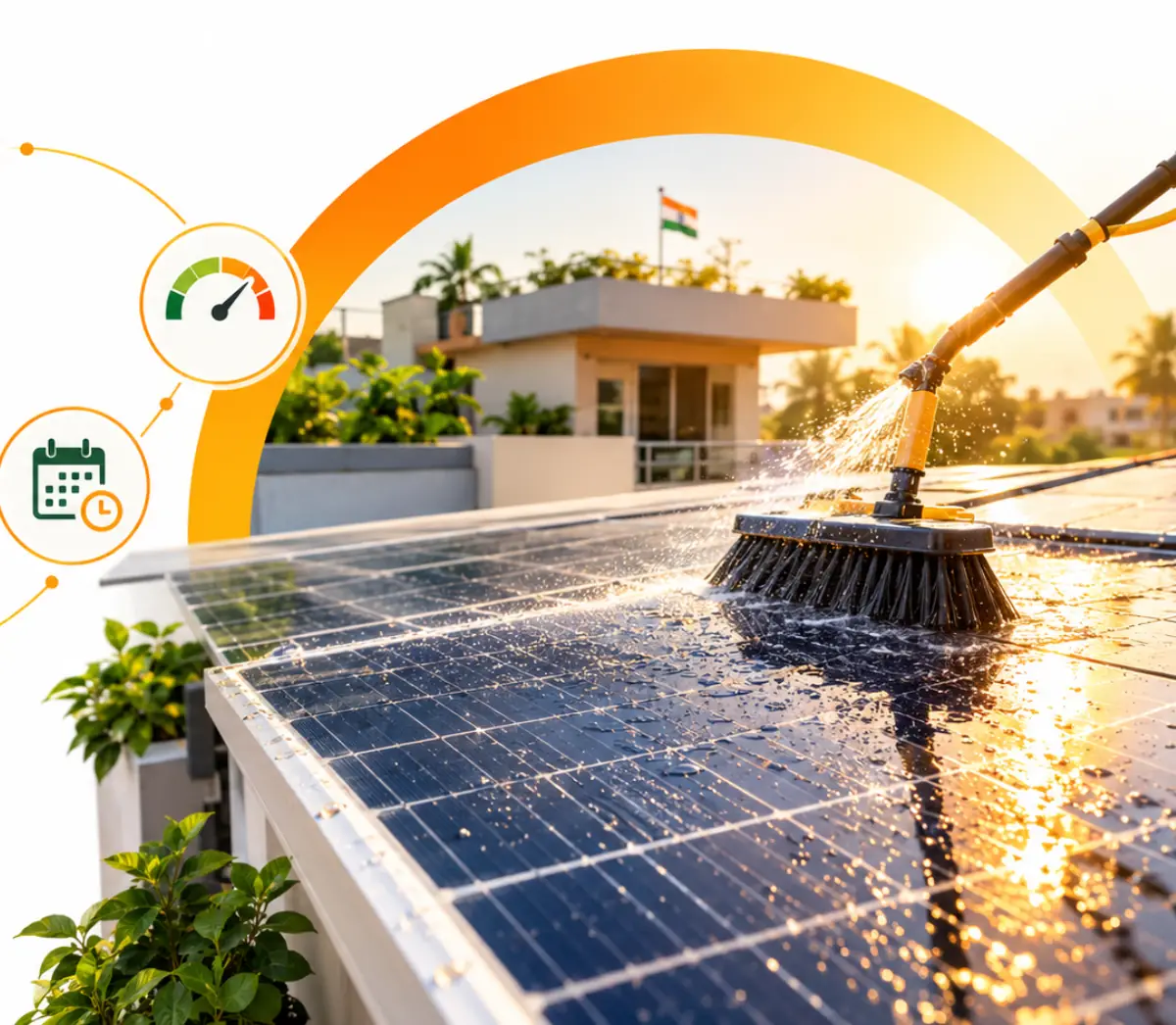
These technologies help maximize energy generation while making system maintenance easier.
As innovation continues, the performance of solar systems is expected to improve even further.
The Role of a Reliable Solar EPC Company India
Installing solar panels is only one part of the journey.
The long-term success of a project depends on proper engineering, quality components, professional installation, and reliable after-sales support.
This is where choosing an experienced Solar EPC company India becomes important.
A professional EPC partner handles:
- Energy assessment
- Site survey
- System design
- Engineering
- Procurement
- Installation
- Testing and commissioning
- Performance monitoring
- Maintenance support
An experienced EPC company ensures that the solar system performs efficiently throughout its lifespan.
This directly impacts both energy generation and return on investment.
Government Support Has Encouraged Adoption
Government initiatives have played a major role in making solar more accessible.
One of the most significant schemes for homeowners has been the PM Surya Ghar: Muft Bijli Yojana, which offers financial assistance for eligible residential rooftop solar systems.
The scheme has encouraged thousands of families to consider solar by reducing the initial investment required.
However, it's important to note that the current phase of the PM Muft Bill Yojana (PM Surya Ghar: Muft Bijli Yojana) is scheduled to remain available until 31st March 2026, subject to government notifications and applicable guidelines.
Homeowners planning to install rooftop solar should check the latest eligibility criteria and apply within the applicable timeline to take advantage of available benefits.
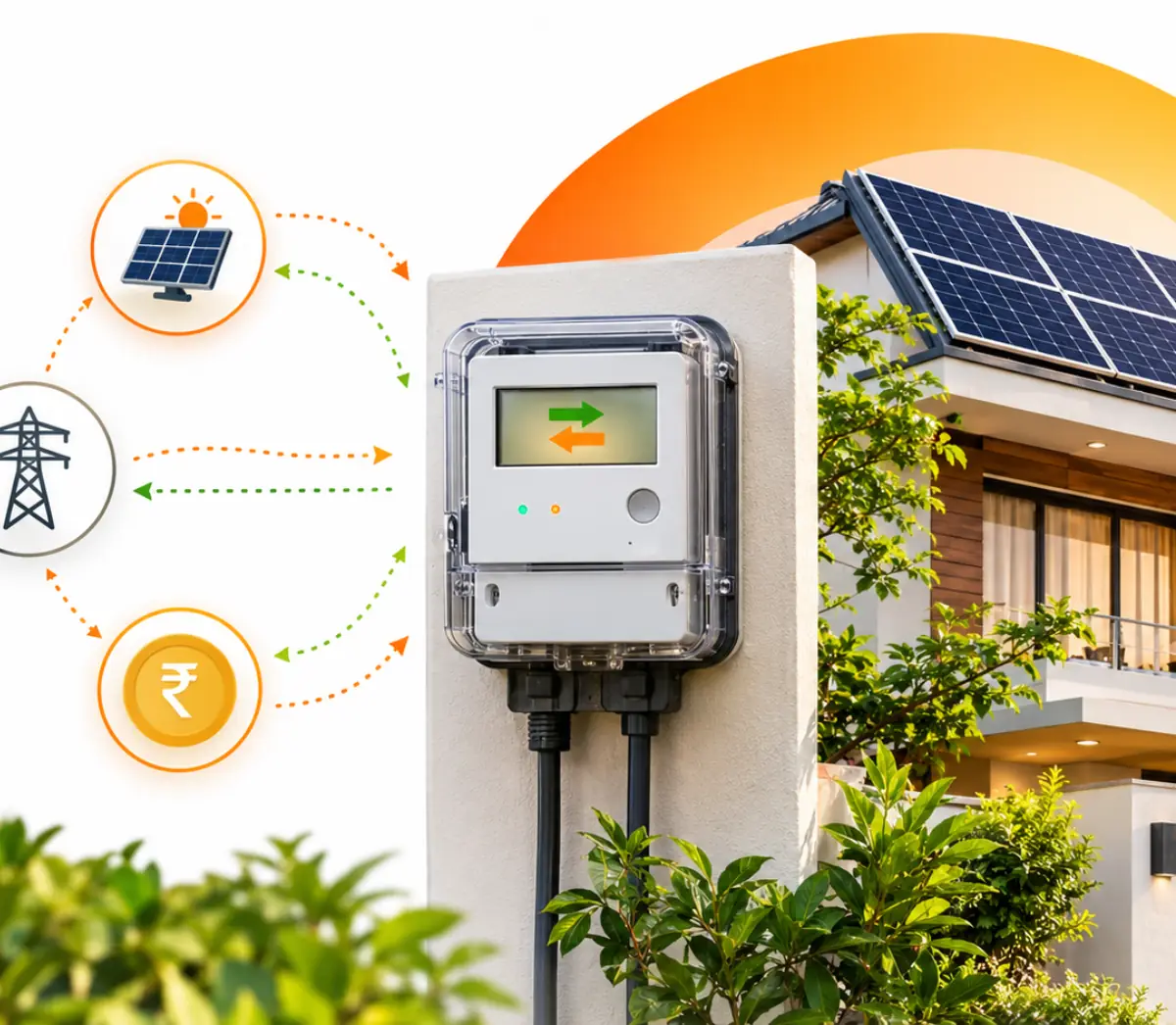
Government support, combined with net metering and falling technology costs, has made residential solar more affordable than ever.
Why More Businesses Are Choosing Solar Power Companies in India
The demand for experienced Solar power company India providers continues to grow.
Businesses today expect much more than installation.
They look for partners who understand:
- Energy consumption
- Future expansion plans
- System optimization
- Return on investment
- Long-term service
A trusted solar company becomes an energy partner rather than just an installation contractor.
This relationship is particularly valuable for organizations planning long-term investments in renewable energy.
Commercial Solar Is Driving Industrial Growth
Industrial electricity consumption remains one of the largest contributors to operating costs.
As a result, industries are increasingly adopting commercial solar solutions India to reduce dependence on conventional electricity.
Commercial solar is proving beneficial across sectors including:
- Manufacturing
- Textile industries
- Pharmaceuticals
- Food processing
- Warehousing
- Cold storage
- IT parks
- Logistics
- Hospitality
For many organizations, commercial solar has become a strategic investment that improves both sustainability and profitability.
Sustainability Is Becoming a Business Advantage
Consumers, investors, and global supply chains are paying greater attention to environmental responsibility.
Businesses adopting renewable energy often strengthen their sustainability profile while reducing operational costs.
This creates value beyond electricity savings.
Companies can improve ESG performance, support climate goals, and demonstrate their commitment to responsible business practices.
Solar energy has become one of the most practical ways to achieve these objectives.
What the Next Decade Looks Like
The future of solar energy in India is likely to be shaped by four major trends:
Greater Residential Adoption
More families will invest in rooftop solar installations as awareness and affordability continue to improve.
Increased Commercial Investments
Businesses will continue adopting commercial solar solutions India to improve profitability and energy efficiency.
Smarter Energy Systems
Artificial intelligence, IoT monitoring, battery storage, and energy management software will make solar systems even more efficient.
Stronger Renewable Infrastructure
Government policies, private investments, and technological innovation will continue supporting India's renewable energy goals.
Together, these trends will accelerate the country's transition toward clean energy.
Final Thoughts
India's solar journey is entering an exciting phase.
Solar is no longer viewed simply as an environmentally friendly option.
It has become a smart financial decision for homeowners and a strategic business investment for industries.
Whether you're planning rooftop solar installations for your home, looking for an experienced Solar EPC company India, choosing a trusted Solar power company India, or exploring commercial solar solutions India, the opportunities have never been greater.
With supportive government initiatives, improving technology, and growing awareness, solar energy is becoming an integral part of India's development story.
The businesses and homeowners who invest today are not only reducing electricity costs, they are preparing for a future that is cleaner, more energy-efficient, and financially stronger.
The future of solar energy in India has already begun.
The question is no longer whether solar will shape the future.
It's how soon you'll become a part of it.
References
- Ministry of New and Renewable Energy (MNRE): https://mnre.gov.in
- PM Surya Ghar: Muft Bijli Yojana: https://pmsuryaghar.gov.in
- International Renewable Energy Agency (IRENA): https://www.irena.org