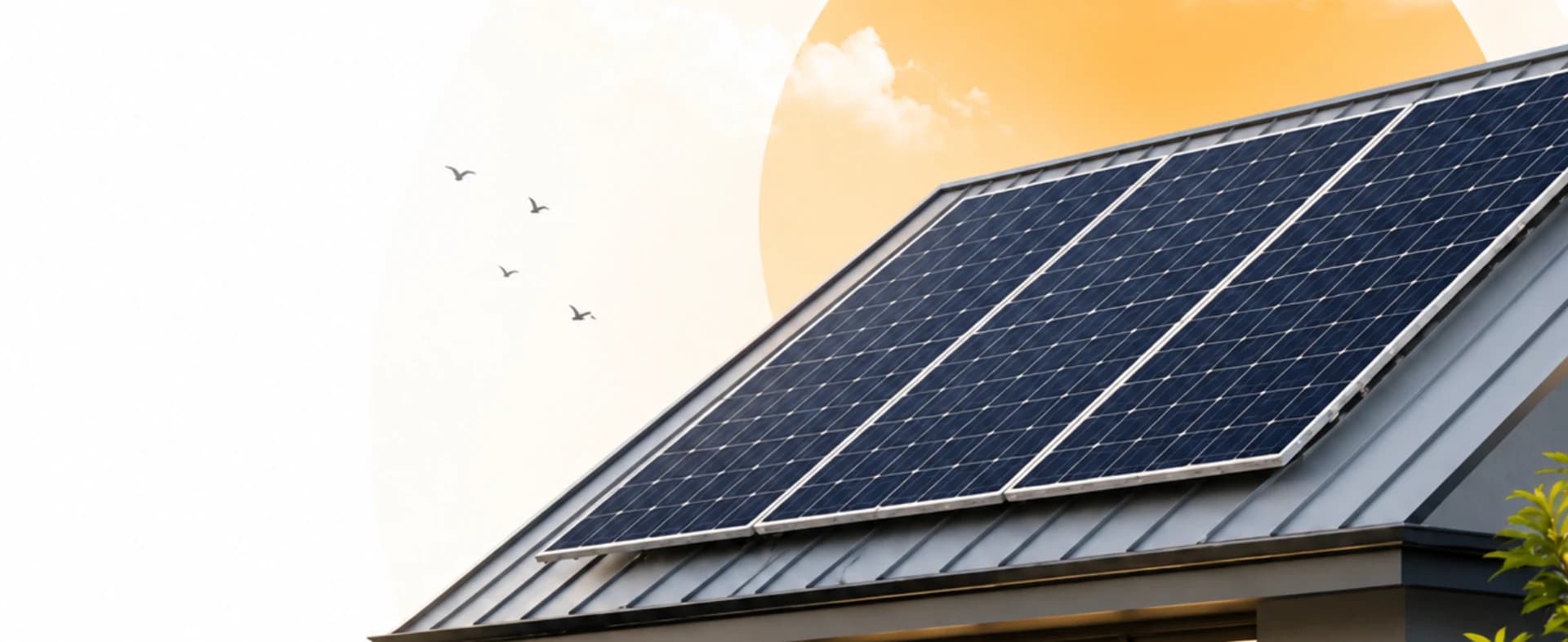
A practical guide to understanding how much electricity a 1kW, 3kW, or 5kW rooftop solar system can generate in India. Includes daily, monthly, and annual generation data, factors affecting output, real-life savings examples, and PM Surya Ghar Yojana subsidy information.
If you are considering solar panels for home, one of the first questions that comes to mind is:
"How many units of electricity will a solar system actually generate?"
Whether you are evaluating a 1kW solar system price in Gujarat, comparing the 3kW solar panel price in Ahmedabad and other cities of Gujarat, or exploring a 5kW solar panel system for home, understanding electricity generation is essential before making an investment.
The good news is that India receives abundant sunlight throughout the year, making rooftop solar one of the most practical and cost-effective energy solutions for homeowners.
In this guide, we will break down how much electricity a 1kW, 3kW, and 5kW home solar panel system can generate, what factors affect output, and how to estimate the right system size for your home.
Why Solar Generation Matters
Many homeowners focus only on the cost of installation. However, the more important question is:
How much electricity will the system generate over the next 25 years?
A solar system is not just an expense. It is a long-term energy asset that can help:
- Reduce electricity bills
- Offset rising power costs
- Increase energy independence
- Lower carbon emissions
- Improve long-term savings
Understanding solar electricity for home starts with understanding generation.
How Solar Electricity Generation Is Measured
Solar generation is measured in kilowatt-hours (kWh), commonly referred to as units on your electricity bill.
For example:
- 1 unit = 1 kWh
- If a solar system generates 10 kWh in a day, it generates 10 units
When people ask: "How many units does a solar panel generate?" — They are asking how many kWh the system can produce.
How Much Electricity Does a 1kW Solar System Generate?
Under Indian conditions, a properly installed 1kW rooftop solar system typically generates:
| Time Period | Average Generation |
|---|---|
| Per Day | 4–5 Units |
| Per Month | 120–150 Units |
| Per Year | 1,400–1,800 Units |
A 1kW system is generally suitable for:
- Small households
- 1–2 bedroom homes
- Monthly electricity consumption below 150 units
Typical Roof Space Required: Approximately 80–100 sq. ft.
How Much Can Your Rooftop Generate?
Every rooftop is different. Get a personalised solar generation estimate based on your roof size, location, and electricity consumption — completely free of charge.
How Much Electricity Does a 3kW Solar System Generate?
A 3kW home solar panel system is among the most popular residential installations in India.
Expected generation:
| Time Period | Average Generation |
|---|---|
| Per Day | 12–15 Units |
| Per Month | 360–450 Units |
| Per Year | 4,300–5,400 Units |
This system is generally suitable for:
- Medium-sized families
- Homes with 1–2 AC units
- Monthly consumption of 300–450 units
Many homeowners searching for a 3kW solar panel price in Ahmedabad, Gujarat choose this size because it balances affordability and savings.
Roof Space Required: Approximately 250–300 sq. ft.
How Much Electricity Does a 5kW Solar System Generate?
A 5kW solar panel system for home is suitable for larger households with higher electricity consumption.
Expected generation:
| Time Period | Average Generation |
|---|---|
| Per Day | 20–25 Units |
| Per Month | 600–750 Units |
| Per Year | 7,200–9,000 Units |
Suitable for:
- Larger villas
- Homes with multiple ACs
- EV charging requirements
- Higher energy consumption households
Roof Space Required: Approximately 450–550 sq. ft.
Solar System Unit Generation Per Day Comparison Table
| System Size | Daily Units | Monthly Units | Annual Units |
|---|---|---|---|
| 1kW | 4–5 | 120–150 | 1,400–1,800 |
| 3kW | 12–15 | 360–450 | 4,300–5,400 |
| 5kW | 20–25 | 600–750 | 7,200–9,000 |
These numbers represent average rooftop solar panel output in India under good installation conditions.
Factors That Affect Rooftop Solar Panel Output in India
Not every rooftop generates the same amount of electricity.
Several factors influence performance:
1. Location
Cities such as Ahmedabad, Surat, Rajkot, and Vadodara receive strong solar irradiation throughout the year. This makes solar in Gujarat particularly attractive for homeowners.
2. Roof Orientation
South-facing solar panels generally produce higher output in India.
3. Shade
Trees, water tanks, nearby buildings, and mobile towers can reduce generation. Even partial shading can impact system performance.
4. Panel Quality
Higher-efficiency panels generate more electricity from the same roof area.
5. Maintenance
Dust accumulation can reduce efficiency by 5–20%.
Regular cleaning helps maintain performance.
According to the National Institute of Solar Energy (NISE), proper maintenance can significantly improve long-term generation performance. Reference: https://nise.res.in
Real-Life Example from Ahmedabad
Consider a family in a fast growing city of Gujarat like ahmedabad , surat , vadodara consuming around 400 units per month.
They install a 3kW residential solar panel system.
Before Solar
- Monthly Bill: ₹3,000–₹4,000
- Annual Electricity Cost: ₹36,000–₹48,000
After Solar
- Generation: Approximately 360–450 units per month
- Net Grid Consumption: Minimal
- Annual Savings: Can exceed ₹35,000 depending on tariff and usage patterns.
Over 25 years, the savings become substantial compared to rising electricity tariffs.
Solar Subsidy Gujarat 2026 and PM Surya Ghar Yojana
The Government of India continues to support residential rooftop solar adoption through the PM Surya Ghar: Muft Bijli Yojana.
Under the scheme:
- Subsidy available for eligible residential consumers
- Higher support for systems up to 3kW
- Additional support for larger residential installations
Official Portal: https://pmsuryaghar.gov.in
MNRE Reference: https://mnre.gov.in
Before installation, homeowners should verify the latest eligibility criteria and subsidy structure.
Which Solar System Size Is Right for Your Home?
A simple guideline:
| Monthly Consumption | Recommended System |
|---|---|
| Up to 150 Units | 1kW |
| 250–450 Units | 3kW |
| 500–750 Units | 5kW |
However, actual sizing should always be based on:
- Electricity bills
- Roof space availability
- Future energy needs
- EV charging plans
- Net metering eligibility
A professional site assessment is always recommended.
Final Thoughts
The answer to "How much electricity can a solar system generate?" depends on system size, location, installation quality, and sunlight availability.
As a general benchmark:
- A 1kW system generates around 4–5 units daily.
- A 3kW system generates around 12–15 units daily.
- A 5kW system generates around 20–25 units daily.
For homeowners evaluating solar panels for home, understanding generation is often more important than focusing solely on installation cost.
A well-designed solar system can continue generating electricity for 25 years or more. (To learn more, read our detailed guide on solar panel lifespan, warranty & maintenance cost in India.) This helps reduce electricity bills while creating long-term value for your home.
If you are exploring residential solar panels in Ahmedabad or any urban city of Gujarat comparing solar panel prices , or evaluating a home solar panel system under the PM Surya Ghar Yojana, start with a professional rooftop assessment and generation estimate before making your decision.
References
- Ministry of New and Renewable Energy (MNRE): https://mnre.gov.in
- PM Surya Ghar: Muft Bijli Yojana: https://pmsuryaghar.gov.in
- National Institute of Solar Energy (NISE): https://nise.res.in
- Gujarat Energy Development Agency (GEDA): https://geda.gujarat.gov.in