
Learn why solar mounting structure strength is essential for rooftop solar panels for home, safer home solar installation, and long-term performance.
Quick Summary
A solar system designed to operate for 25+ years needs more than efficient panels. It needs a mounting structure engineered to keep those panels stable through wind, rain, heat, corrosion and repeated weather cycles.
Consider a simple example: a modern residential module can occupy roughly 2–2.5 m² of surface area. A 5 kW residential solar array using around 9–10 high-wattage modules could therefore expose roughly 20–25 m² of panel area to outdoor conditions.
That makes mounting engineering important. The installer needs to evaluate roof strength, wind exposure, mounting material, anchor locations, panel layout and waterproofing not simply determine whether the panels physically fit.
Strong solar mounting structure strength protects your rooftop solar panels for home, while proper roof anchoring transfers loads safely to the building.
The actionable takeaway is simple:
Don't ask only which solar panel you're buying. Ask for the engineering behind what will hold it in place for the next 25 years.
Your ₹3 Lakh Solar System May Depend on Components You Barely See
Homeowners naturally spend time comparing solar panel brands, inverter technology, warranties, subsidies and installation prices.
But once the system is installed, every panel is ultimately relying on something much less visible:
The mounting structure beneath it.
A premium solar module cannot compensate for a poorly designed foundation.
A professionally engineered home solar installation should therefore treat mounting structures and roof anchoring as structural components not accessories.
The objective isn't merely to keep panels on the roof on installation day.
It is to keep them correctly positioned through thousands of days of:
- Wind
- Rain
- Summer temperatures
- Temperature cycles
- Corrosive outdoor exposure
- Maintenance activity
That's where solar mounting structure strength becomes critical.
What Is a Solar Mounting Structure?
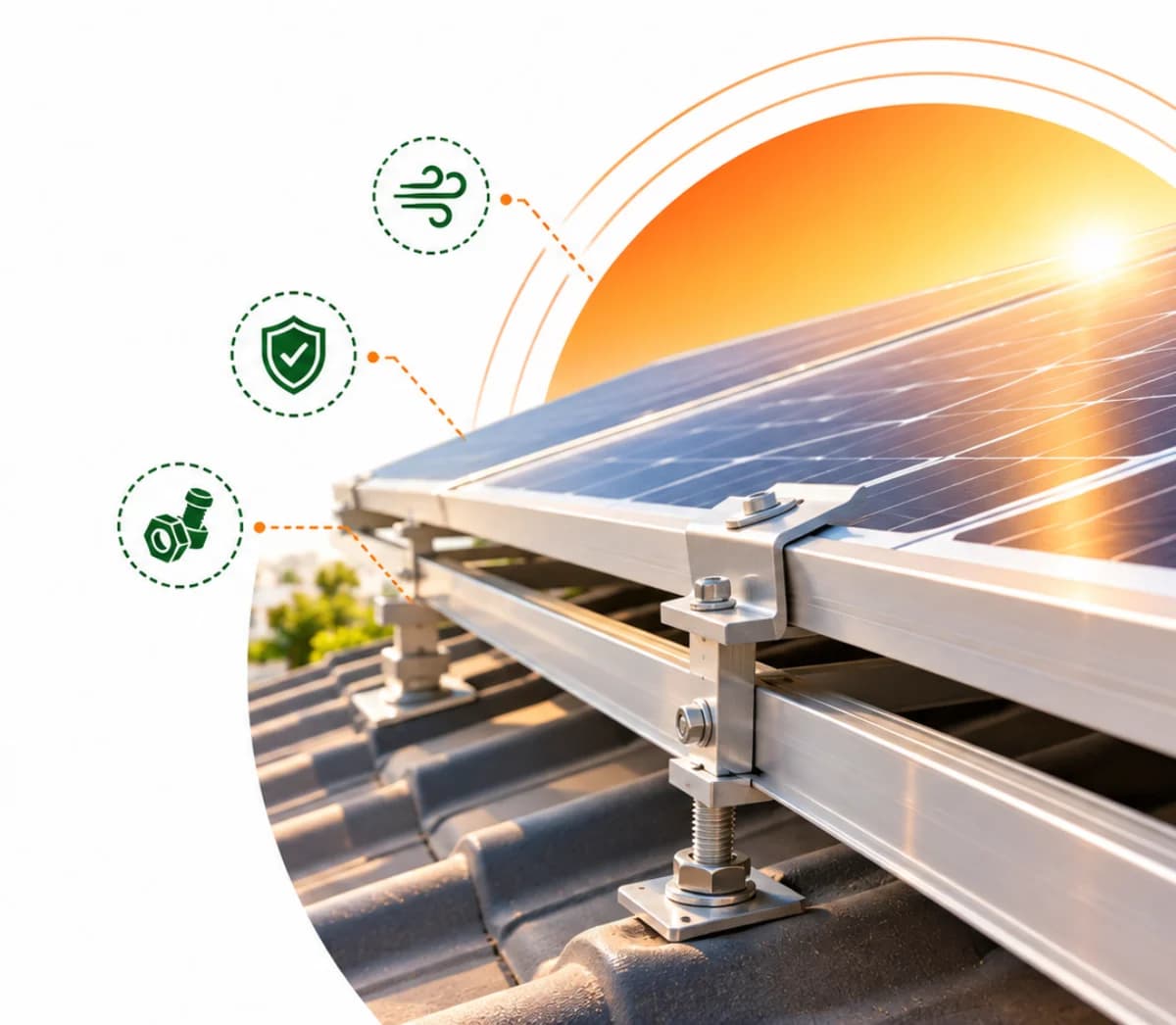
A solar mounting structure is the framework connecting the modules to the roof or ground.
It performs three important jobs:
1. Holds the panels securely
2. Maintains the designed panel angle and orientation
3. Transfers structural loads safely to the roof or foundation
Think of the relationship this way:
Panel → Clamp → Rail/Structure → Anchor → Roof/Building
Every connection matters.
If one part of this load path is poorly designed, simply using a premium solar panel doesn't solve the underlying structural weakness.
Is Your Home Ready for Solar?
Reduce your monthly electricity bills and build long-term energy independence with Enersol's rooftop solar solutions.
Put the Scale Into Numbers
Consider an illustrative residential installation:
Solar capacity: 5 kW Module rating: approximately 550 W Number of modules: around 9–10 Approximate module area: 2.2–2.5 m² each Total exposed module area: roughly 20–25 m²
The exact figures depend on the module selected.
The key point is that a rooftop solar array creates a sizable exposed surface.
Wind interacting with that surface creates forces that the mounting structure and anchors need to resist.
This is why the installer should not simply say:
“The structure is strong.”
The better question is:
“What loads has this structure been designed for, and what assumptions were used?”
Why Wind Load Deserves Serious Attention
Most homeowners think solar mounting is primarily about carrying the weight of the panels.
Weight matters.
But engineers must also consider wind uplift.
Air moving over and underneath an array can create forces trying to lift or move the panels.
The design therefore needs to account for factors such as:
- Local design wind speed
- Building height
- Terrain/exposure
- Panel tilt
- Distance from roof edges
- Array dimensions
- Mounting height
- Structural geometry
- Anchor type and spacing
A mounting system suitable for one house is not automatically suitable for another.
A Simple Wind-Pressure Illustration
To understand why wind speed matters, consider the commonly used basic relationship between wind speed and dynamic pressure:
q ≈ 0.6V²
where:
q = approximate pressure in N/m²
V = wind speed in m/s
This is only a simplified physics illustration not a substitute for structural design calculations.
| Illustrative Wind Speed | Approx. Dynamic Pressure |
|---|---|
| 30 m/s | 540 N/m² |
| 40 m/s | 960 N/m² |
| 50 m/s | 1,500 N/m² |
| 60 m/s | 2,160 N/m² |
Notice what happens.
When wind speed doubles from 30 m/s to 60 m/s, this simplified pressure value doesn't double.
It becomes approximately four times higher.
That is because pressure varies approximately with the square of wind speed.
This is one reason mounting engineering cannot be based on visual judgement alone.
What Could That Mean Across a Solar Array?
Take an illustrative array with 22 m² of exposed panel area.
Using the simplified dynamic-pressure values above:
At 30 m/s:
540 × 22 = 11,880 N
At 40 m/s:
960 × 22 = 21,120 N
At 50 m/s:
1,500 × 22 = 33,000 N
This does not mean the actual uplift force on the roof equals these numbers.
Real structural calculations require pressure coefficients, roof geometry, array position, wind direction, safety factors, applicable design standards and other engineering inputs.
But the example shows why a large rooftop array cannot be treated like a few lightweight objects sitting on a terrace.
The structure has to be engineered.
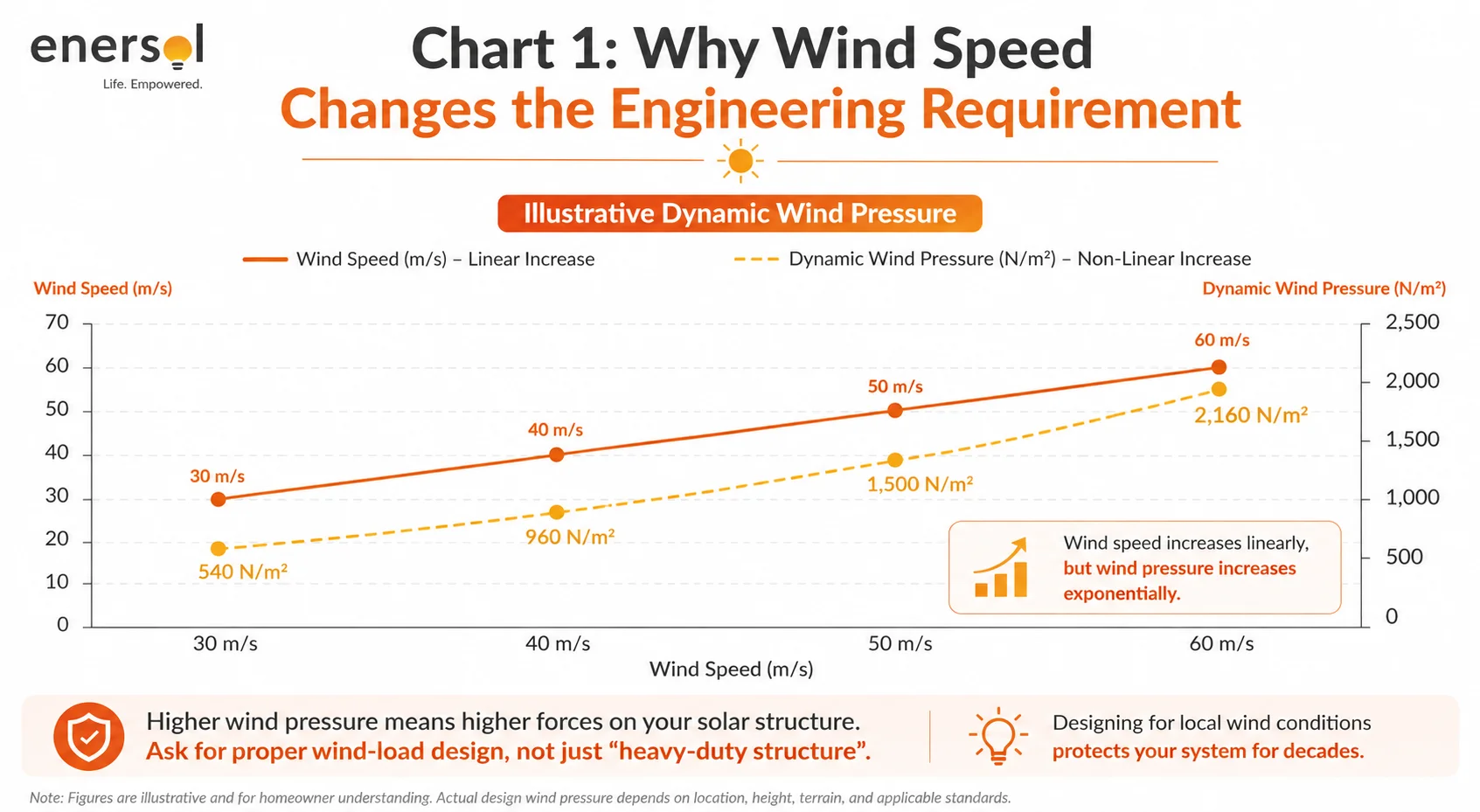
Chart 1: Why Wind Speed Changes the Engineering Requirement
Illustrative Dynamic Wind Pressure
30 m/s → 540 N/m²
40 m/s → 960 N/m²
50 m/s → 1,500 N/m²
60 m/s → 2,160 N/m²
The visual message should be:
Wind speed rises linearly. Wind pressure does not.
This gives homeowners a concrete reason to ask about wind-load design instead of accepting “heavy-duty structure” as a specification.
Roof Anchoring Is Just as Important as the Structure
Even a strong mounting frame is only as reliable as the way it transfers loads to the building.
Roof anchoring is the connection between the solar mounting system and the supporting roof structure.
The anchoring solution depends on factors such as:
- RCC roof
- Metal roof
- Sloped roof
- Existing roof condition
- Structural member locations
- Waterproofing system
- Array geometry
There should not be one standard anchoring solution for every building.
A professional home solar installation should identify the roof type first and engineer the mounting method around it.
What Should Be Checked Before Roof Anchoring?
Before drilling, fastening or placing mounting supports, the site team should understand:
Structural Condition
Can the existing roof safely accommodate the proposed installation?
Waterproofing
Will anchoring interfere with the existing waterproof layer?
Drainage
Will the mounting layout obstruct rainwater flow?
Anchor Locations
Are loads being transferred into appropriate structural locations?
Maintenance Access
Can technicians safely reach the modules and roof later?
These questions should be resolved before installation not after the first leakage or structural issue appears.
Material Matters: Don't Accept “Heavy-Duty” as an Answer
“Premium structure.”
“Strong structure.”
“Heavy-duty structure.”
These descriptions sound reassuring but provide almost no technical information.
Instead, ask your installer for measurable specifications.
Depending on the system design, useful information can include:
- Structural material
- Material grade
- Section dimensions
- Member thickness
- Surface/coating specification
- Fastener specification
- Corrosion protection
- Anchor type
- Engineering/design basis
For example, if galvanized steel is proposed, don't ask only:
“Is this galvanized?”
Ask:
“What is the material grade and corrosion-protection specification?”
If aluminium is proposed, ask for the relevant alloy/grade and structural specification.
The correct specification depends on the engineering design, so homeowners should avoid choosing materials solely from a generic “thicker is always better” assumption.
Why Corrosion Protection Matters Over 25 Years
Your mounting structure lives outdoors.
It experiences:
- Rain
- Humidity
- Dust
- Heat
- Moisture
- Pollution
- Repeated wet-dry cycles
Corrosion is therefore a long-term engineering consideration.
A structure that looks excellent on installation day still needs to maintain sufficient integrity years later.
Ask the EPC provider what corrosion-protection system is being supplied and how it is appropriate for the installation environment.
This is especially important because the expected operating life of the solar modules can extend beyond two decades.
Stronger Doesn't Simply Mean Heavier
This is another useful distinction.
Homeowners sometimes compare mounting structures based purely on weight or thickness.
But solar mounting structure strength depends on the complete engineering design.
That includes:
Material + section geometry + bracing + span + connection design + anchors + load calculations
A heavier structure isn't automatically a better structure.
A properly engineered structure is better.
Better Stability Protects Energy Generation Too
Mounting isn't only about safety.
It also maintains the designed panel position.
Your solar system's generation estimate assumes panels remain at the intended:
- Tilt
- Direction
- Spacing
- Alignment
If structural movement affects those conditions, performance can also be affected.
This means the mounting system protects two things simultaneously:
Physical safety
and
Energy-generation geometry
Residential Rooftop vs Ground-Mounted Solar
The engineering approach also changes depending on where solar is installed.
| Residential Rooftop Solar | Ground-Mounted Solar |
|---|---|
| Uses existing building roof | Uses dedicated foundations |
| Roof capacity must be assessed | Soil/foundation conditions matter |
| Waterproofing can be important | Foundation engineering is critical |
| Limited by usable roof area | Can support larger layouts |
| Building wind interaction matters | Open-terrain wind exposure matters |
| Common for homes | Common for ground mounted solar for industry |
The scale changes, but the principle doesn't:
The structure should be engineered for the site rather than copied from another project.
The Real Cost of Choosing Only the Cheapest Structure
Suppose two illustrative 5 kW solar quotations differ by ₹15,000.
Proposal A
Includes documented structural design, specified mounting material, appropriate anchoring and waterproofing details.
Proposal B
Is ₹15,000 cheaper, but provides little information about structural specifications or design assumptions.
The homeowner may see ₹15,000 as an immediate saving.
But consider what the mounting structure is protecting:
- Solar modules
- Roof waterproofing
- Electrical equipment
- Building surface
- 25+ years of expected generation
If the overall solar project costs approximately ₹3 lakh, the ₹15,000 difference represents only around 5% of project value.
That does not mean spending ₹15,000 more automatically guarantees better quality.
It means a relatively small price difference should be evaluated against the engineering specification not accepted or rejected on price alone.
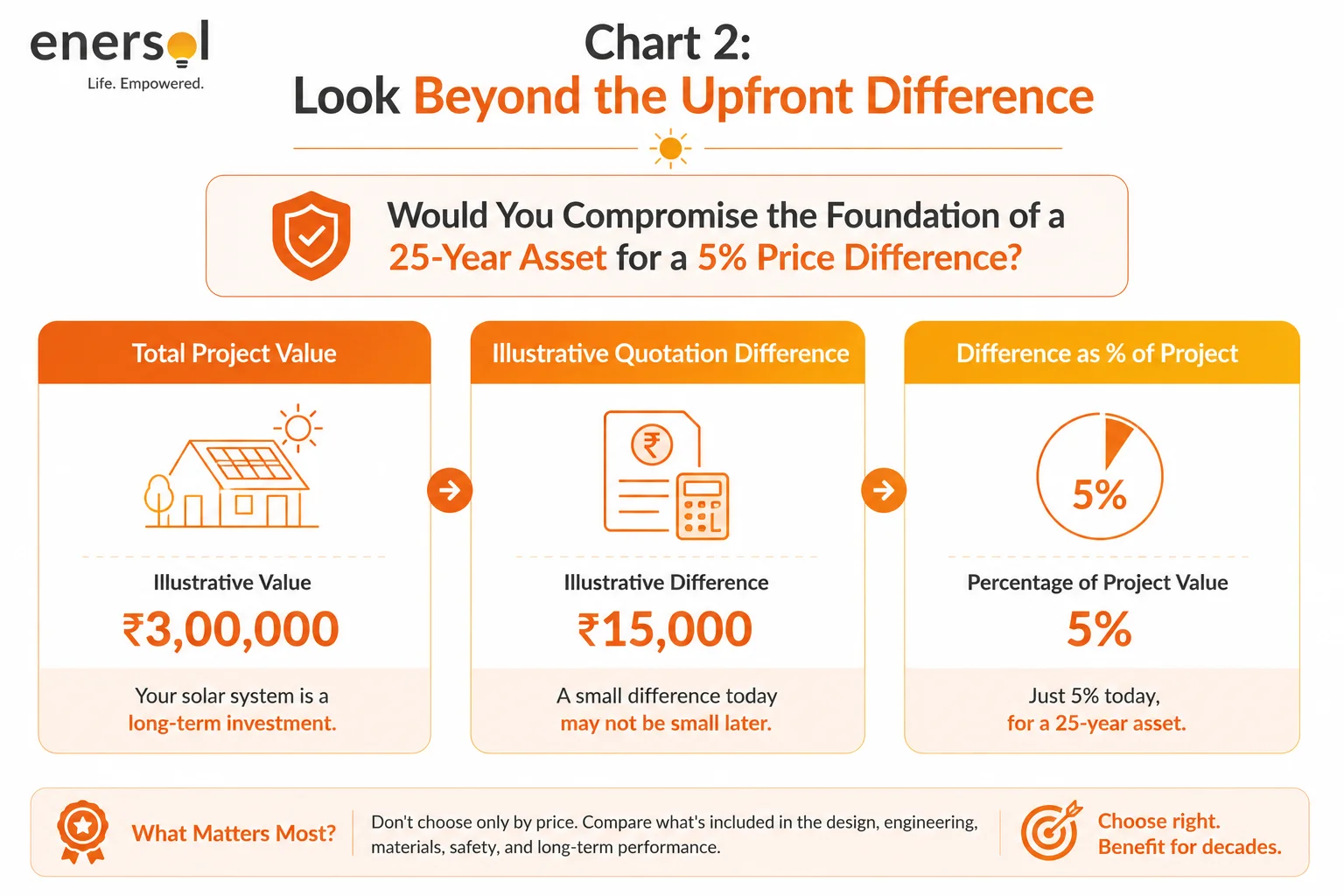
Chart 2: Look Beyond the Upfront Difference
For an illustrative ₹3,00,000 solar project:
Total Project Value → ₹3,00,000
Illustrative Quotation Difference → ₹15,000
Difference as % of Project → 5%
“Would You Compromise the Foundation of a 25-Year Asset for a 5% Price Difference?”
Again, the purpose isn't to suggest that the more expensive proposal is automatically better.
The homeowner should compare what engineering is actually included.
What Should Your Solar Quotation Tell You?
A useful home solar installation proposal should provide more than:
5 kW Solar System – ₹X
For the mounting structure, ask for:
- Structural material and grade
- Section/member specifications
- Corrosion-protection specification
- Fastener specification
- Roof anchoring method
- Design wind-load basis
- Panel tilt
- Mounting height
- Waterproofing treatment
- Structural warranty, where applicable
These are actionable details you can use to compare two EPC proposals.
A Better Way to Compare Solar Quotations
Instead of comparing only this:
| Company | 5 kW Price |
|---|---|
| Installer A | ₹X |
| Installer B | ₹Y |
Compare this:
| Parameter | Installer A | Installer B |
|---|---|---|
| System Capacity | 5 kW | 5 kW |
| Module Specification | Provided | Provided |
| Mounting Material/Grade | ? | ? |
| Structural Section | ? | ? |
| Corrosion Protection | ? | ? |
| Wind Design Basis | ? | ? |
| Anchor Method | ? | ? |
| Waterproofing Method | ? | ? |
| Structural Warranty | ? | ? |
| Expected Generation | ? | ? |
Fill those question marks before deciding.
That turns a price comparison into an engineering comparison.
Questions to Ask Before Installing Solar
Before approving your residential solar array, ask:
- What material and grade will be used for my mounting structure?
- What is the structural section specification?
- How has wind exposure been considered?
- What anchoring method will be used?
- How will roof waterproofing be protected?
- Has my roof's structural condition been checked?
- What corrosion protection is included?
- What mounting warranty is provided?
- Can you show the mounting specifications in the quotation?
- Who is responsible for the structural design?
A professional installer should be able to explain these details clearly.
Why Professional Installation Matters
Strong materials alone do not guarantee a strong installation.
Execution matters too.
The installation process should include:
Site Inspection → Structural Evaluation → Engineering → Material Selection → Anchoring → Installation → Inspection
Errors at any stage can compromise the final result.
For example, even a properly specified rail cannot compensate for incorrectly installed anchors.
Similarly, high-quality anchors cannot compensate for an unsuitable mounting layout.
The entire system works together.
What Should Homeowners Remember?
If you remember only four things from this article, remember these:
1. Solar panels are a 25+ year asset.
The mounting system should be designed with the same long-term thinking.
2. Wind load is an engineering issue.
Ask what design assumptions were used instead of accepting “wind resistant” as a specification.
3. Roof anchoring should match your building.
RCC, metal and sloped roofs require different approaches.
4. Compare specifications, not adjectives.
“Premium” and “heavy-duty” aren't engineering data.
Material grade, structural dimensions, corrosion protection, anchor type and design basis are.
Final Thoughts
A successful home solar installation isn't built only with efficient modules and a quality inverter.
It is built from the roof upward.
The mounting structure holds your rooftop solar panels for home in their designed position while transferring wind and structural loads safely to the building.
Our simplified example showed why this matters.
A 5 kW residential solar array may expose around 20–25 m² of module area to outdoor conditions. As wind speed increases, wind pressure rises much faster because of the squared relationship between velocity and dynamic pressure.
That is why solar mounting structure strength cannot be judged simply by looking at the structure.
It has to be engineered.
Before choosing between two solar quotations, ask for:
Material specifications.
Wind-design basis.
Anchoring details.
Corrosion protection.
Waterproofing approach.
And most importantly:
Ask what engineering supports the structure that will hold your solar investment for the next 25 years.
At Enersol Solar, structural planning is treated as part of the solar systemPhotographs of existing roof condition not as an afterthought.
Because high-performance panels deserve a foundation designed to perform just as long.